News & insights
Practical updates from live SAiFI deployments, partnerships shaping our UK and European footprint, anonymised case studies, and in-depth industry insight on active safety.
Filter by tag
US forklift and loader incidents keep producing six-figure OSHA penalties and multi-million-dollar verdicts. Physical separation is the right foundation, but barriers and painted lines don't act in the moment. Here's where a detect-and-act vision layer fits alongside them.
This week's UK and European safety briefing for site H&S managers: a £3.8m chemical-burns fine, a conveyor entanglement in food manufacturing, a proposed RIDDOR reform, a lead-exposure review and refreshed EU PPE standards, plus what each one means for your controls.
A woman was crushed at a UK waste and recycling site, and the company was fined £400,000. The fine is the headline; the real lesson for SHEQ leaders is what 'custom and practice' pedestrian movement does to a written safe system of work, and where active intervention catches what static barriers miss.
AI computer vision is moving from passive CCTV review to real-time hazard detection that triggers a physical response. Here is what the HSE, the EU AI Act and the emerging standards expect, what deployment evidence shows, and where active intervention changes the safety case.
A round-up of the health and safety developments that matter to SHEQ leadership this cycle: HSE's engineered stone crackdown, RIDDOR reform, the EU's carcinogens revision, new wiring regulations, and enforcement cases that turn on fume and construction-site risks.
Our late-August round-up for site H&S managers: HSE's RIDDOR consultation and first joint cobot guidance, the EU's agreement on tighter carcinogen limits including welding fume, ISO climate-risk guidance, and what the enforcement picture tells you about machinery guarding and vehicle-pedestrian conflict.
This round-up covers the HSE's 2026-2027 Regulation Action Plan, a £2.2 million conveyor prosecution, the August 2026 AI Act milestone, an updated first-aid standard and Europe's record product recalls, with what each means for site leadership in heavy industry.
This week's round-up: HSE's latest annual fatality and injury statistics, the recurring enforcement themes on the HSE register, and the EU AI Act timeline that classifies certain workplace safety AI as high-risk.
This week's UK and European health and safety round-up: a £120,000 dust and manual-handling fine, a landmark first Prohibition Notice against an occupational health provider, new collaborative-robotics guidance, and the ISO 45001 and 14001 revisions heading your way. What SHEQ directors should read before the next board paper.
Recent HSE prosecutions show what inadequate vehicle and pedestrian separation costs in fines and life-changing injuries. We look at the cases, the regulations behind them, and where real-time intervention fits alongside barriers and traffic plans.
A UK and European health and safety briefing covering the latest HSE injury statistics, changes to the GB CLP framework, the regulatory calendar for chemicals, asbestos and higher-risk buildings, and how the EU AI Act reshapes obligations for vision-based safety systems.
A UK safety briefing for site and SHEQ leaders: HSE's latest fatality and injury figures for Great Britain, the shift in enforcement patterns, regulatory changes flagged for 2026, and HSE's regulatory approach to AI. We read the numbers through the lens of active safety on the ground.
Vision AI is shifting industrial health and safety from reactive reporting to real-time, auditable monitoring. We look at the UK regulatory picture, the standards that apply, and what specifiers and installers should weigh up before deployment.
The week's UK and European health and safety news for site H&S managers: HSE's latest work-related fatality figures, its first Prohibition Notice against an occupational health provider, the close of the RIDDOR consultation, CLP changes, and a £400,000 HS2 fine.
SAIFI, our AI computer-vision safety system, took the Innovation Award at the Pendle Business Awards on Thursday 2 July 2026. Here is what the judges recognised, and why it matters more on a factory floor than on a trophy shelf.
A late-June 2026 round-up of UK and European safety developments: the RIDDOR reform consultation, HSE warnings on site security and extreme heat, the latest injury figures, and the prosecution listings that show where risk keeps landing in construction and manufacturing.
Insights
No new EN 12453 amendment has landed for 2026, but enforcement is tightening. Here is what UK installers must do differently: instrument-based force testing, wider hazard coverage, and documented technical files that stand up to HSE scrutiny.
A month of UK and European safety news: HSE opens a consultation on RIDDOR reporting, begins its first joint industry guidance for collaborative robots, and issues a £1 million fine to Esso for a gas leak at the Fawley refinery, set against the latest HSE workforce statistics.
The sudden global withdrawal of Anthropic's Fable 5 shows how fast access to US frontier AI can disappear. With no comparable UK or EU sovereign fallback, offline-first edge architectures and self-hosted models are becoming the practical answer for safety-critical perimeter and access control work.
Dynamic Safety is one of three finalists for the Innovation award at the Pendle Business Awards 2026. We look at what the shortlist recognises: active computer-vision safety that acts on a hazard as it forms, rather than recording it after the fact.
This week's UK and European health and safety round-up covers HSE's RIDDOR reform consultation, the first post-Brexit UK REACH SVHC proposals, lower blood-lead action levels, the Building Safety Regulator going standalone, and record enforcement figures for 2024/25.
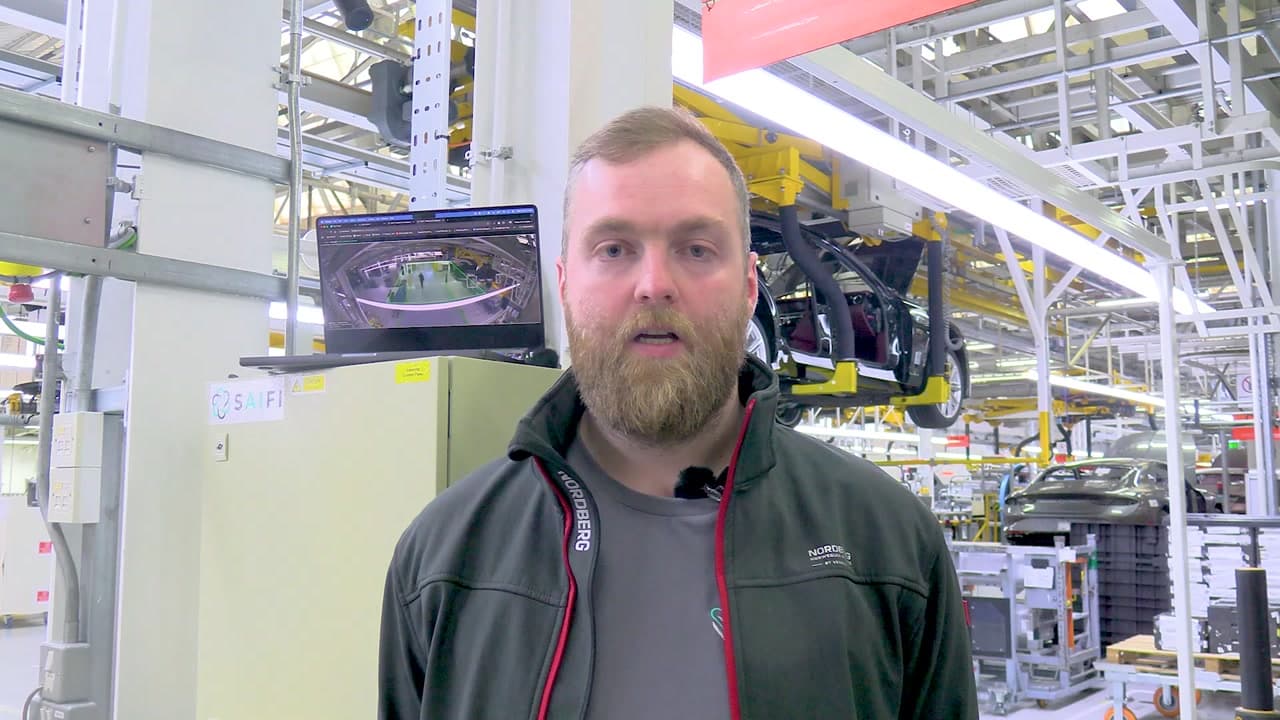
Distributor partner WSS Europe deployed the SAiFI Edge Essential system at a luxury automotive manufacturing facility in Crewe, training it to recognise the vehicle wheels travelling along the overhead carrier as they enter the aisle above the underpass crossing, removing over 50 potential vehicle-to-person hazard interactions every operational week.
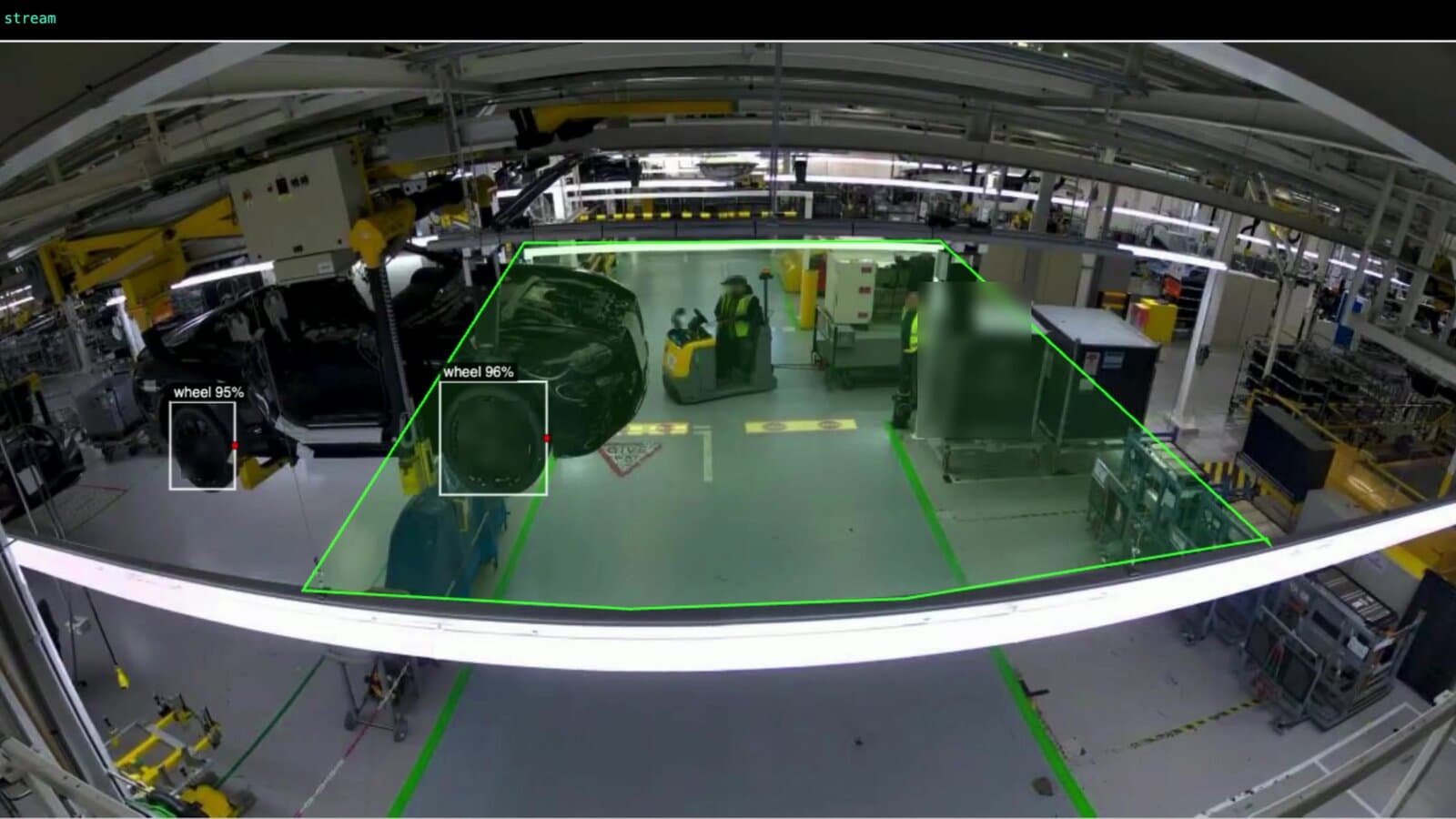
Generic detection rarely survives contact with a real industrial site. SAiFI is configuration-driven: detection models, spatial zones, rules, and schedules combine so the system reflects how the site actually operates. Here is a plain-English tour of how that works.

Active safety is a term that gets attached to a lot of things, not all of which qualify. Here is a working definition rooted in the recognised safety control hierarchy, ISO 12100 and the UK ALARP principle, plus a short test for any vendor claim.
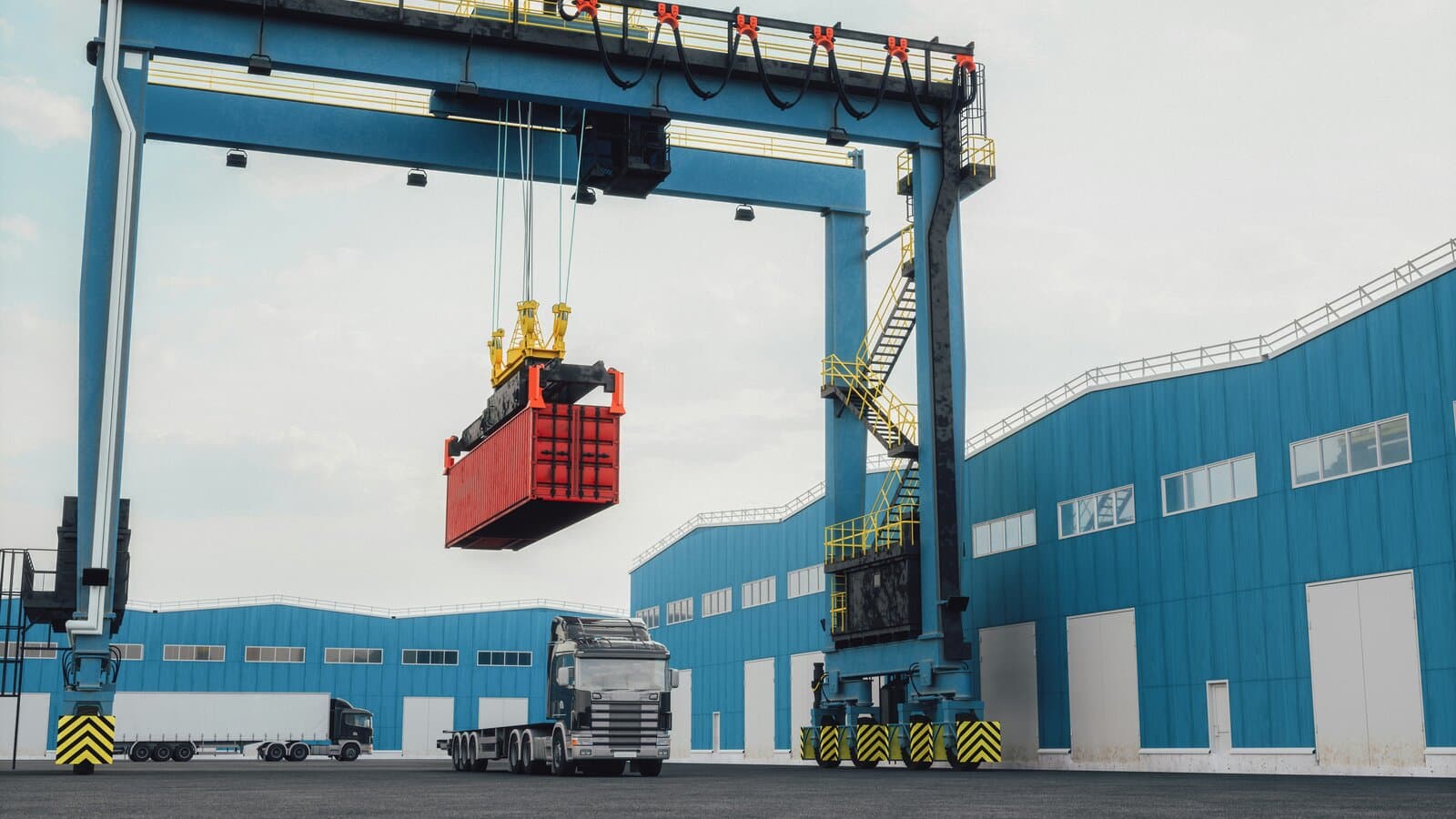
What the latest OSHA Top 10, BLS fatality data and the Warehousing National Emphasis Program say about pedestrian-vehicle risk in US warehouses and distribution centers, and how active vision systems are starting to close that gap.
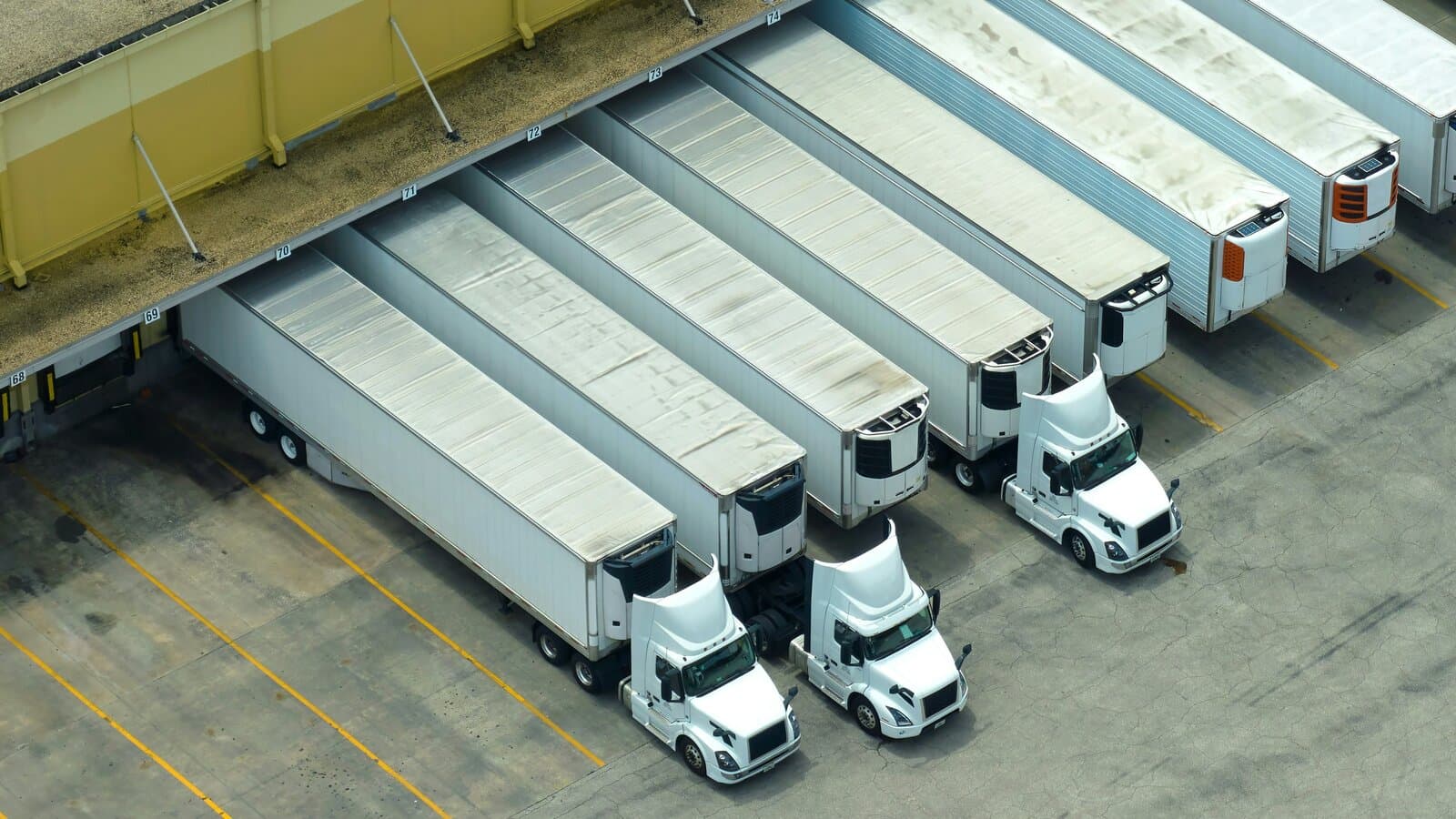
Dynamic Safety is inviting a small number of well-matched companies in mainland Europe and the United States to apply for authorised distributor status for the SAiFI active safety platform.

The HSE’s 2025 research surveyed around 250 AI use cases across the industries it regulates. Here is what the regulator found, the risks respondents flagged, and where vision-based active safety sits in their framework.

A short tour through the AI milestones that took us from a supercomputer in a research lab in 1997 to a context-aware safety system on the wall of a factory in 2026.
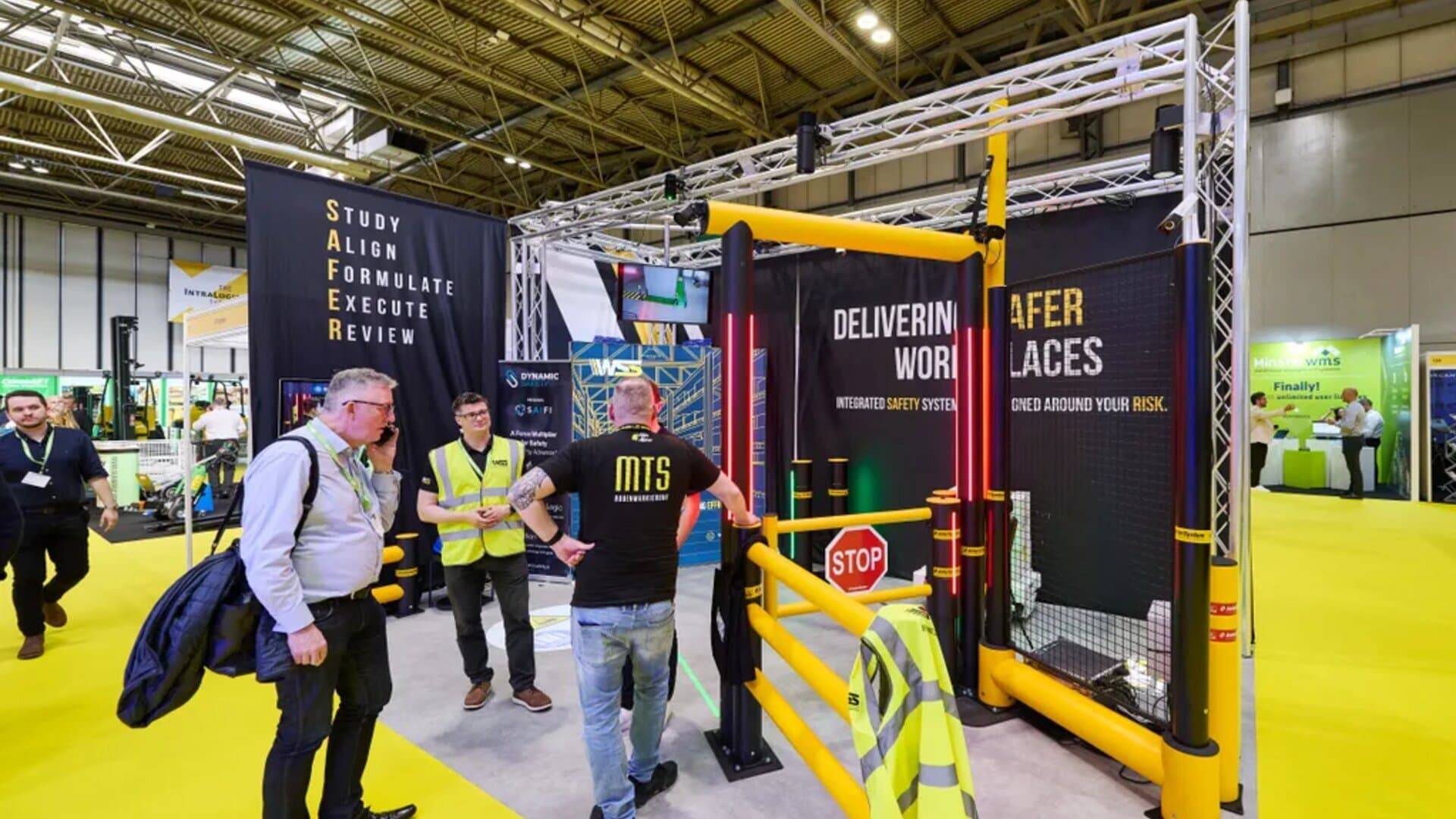
We joined our distributor partner WSS at Intralogistex, NEC Birmingham, to demonstrate SAiFI active safety live on the stand.

Active safety has to keep working when the connectivity does not. Here is why SAiFI is offline-first, and what that means for deployment and day-to-day operations.

Vision AI for safety has to look different from CCTV or face recognition. Here is how UK GDPR applies to active safety systems, and how to stay on the right side of it.

Detection-to-action latency is the make-or-break number for active safety. Here is why the 150 ms threshold matters, and what makes it achievable.
Dynamic Safety Ltd has been certified to ISO 9001:2015 for quality management, independently audited by Citation ISO Certification (certificate no. 511612026). What it covers, why we did it, and what it means for the people who buy from us.
The HSE’s latest annual statistics show non-fatal workplace injuries in Great Britain rose 13% year-on-year to 680,000. The long-term reduction in workplace risk has not continued. Here is what the numbers actually say, and what they mean for industrial operators.

We are launching our new website and sharing what is next for SAiFI, bespoke control panels, smart gate systems, and installation services.

We signed distributor agreements with WSS Europe Limited and Meon Limited to support SAiFI deployments across the UK and Europe.
Stay close to the work
We publish as deployments go live, partnerships form, and industry thinking evolves. If you are scoping a project, talk to us early. The best time to design safety into a site is before the controls are installed.