A regulator, looking at the territory
In 2025 the Health and Safety Executive published a short research report titled “Understanding how AI is used in HSE regulated sectors”. It is the first systematic look the British workplace-safety regulator has put on the public record about what AI is actually doing inside the industries it regulates. For anyone scoping, buying or operating an AI-supported safety system, it is one of the most useful published references on this side of the Atlantic.1
The research drew on roughly 250 AI use cases gathered from HSE staff and from an external industry survey across 14 sectors, including construction, manufacturing, logistics, energy, utilities and public services.1,2 It does not endorse any specific product. It does not evaluate whether the AI in question is appropriate for the application. What it does is map the territory honestly, which is more useful than another vendor brochure.
The four areas of AI use the HSE identified
The HSE groups AI use across its sectors into four areas. Some applications overlap, and the list is explicitly not exhaustive, but the framework is a clean way to think about where AI is actually being deployed.1
- ✓Maintenance systems: drone inspections, predictive maintenance, component-failure analysis from inspection imagery and video.
- ✓Health and safety management: large language models analysing historical incident reports, generative AI drafting risk assessments and training material, document drafting.
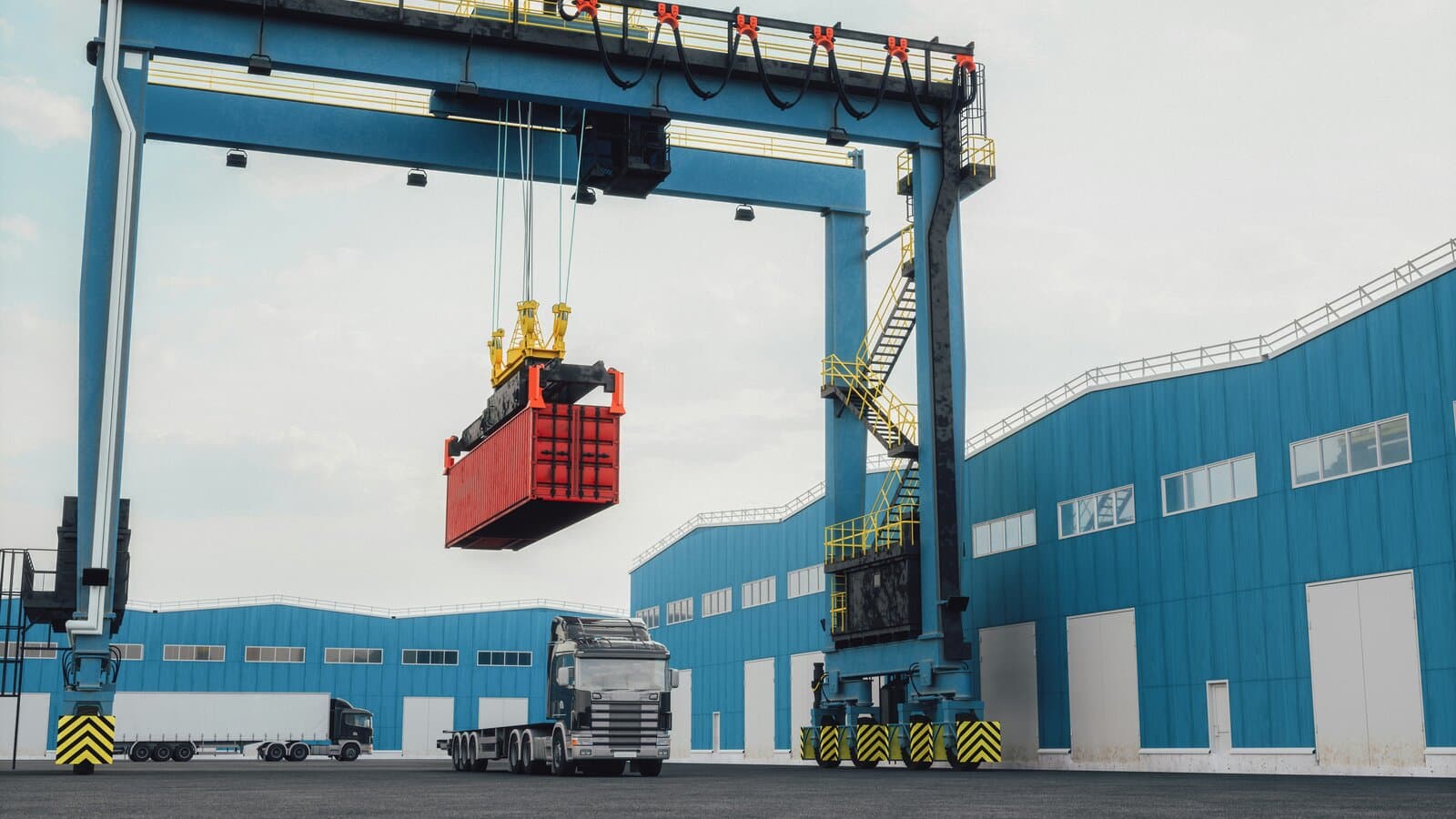
- ✓Control of equipment and process plant: autonomous vehicles, robotics, process optimisation, route planning in warehouses and yards.
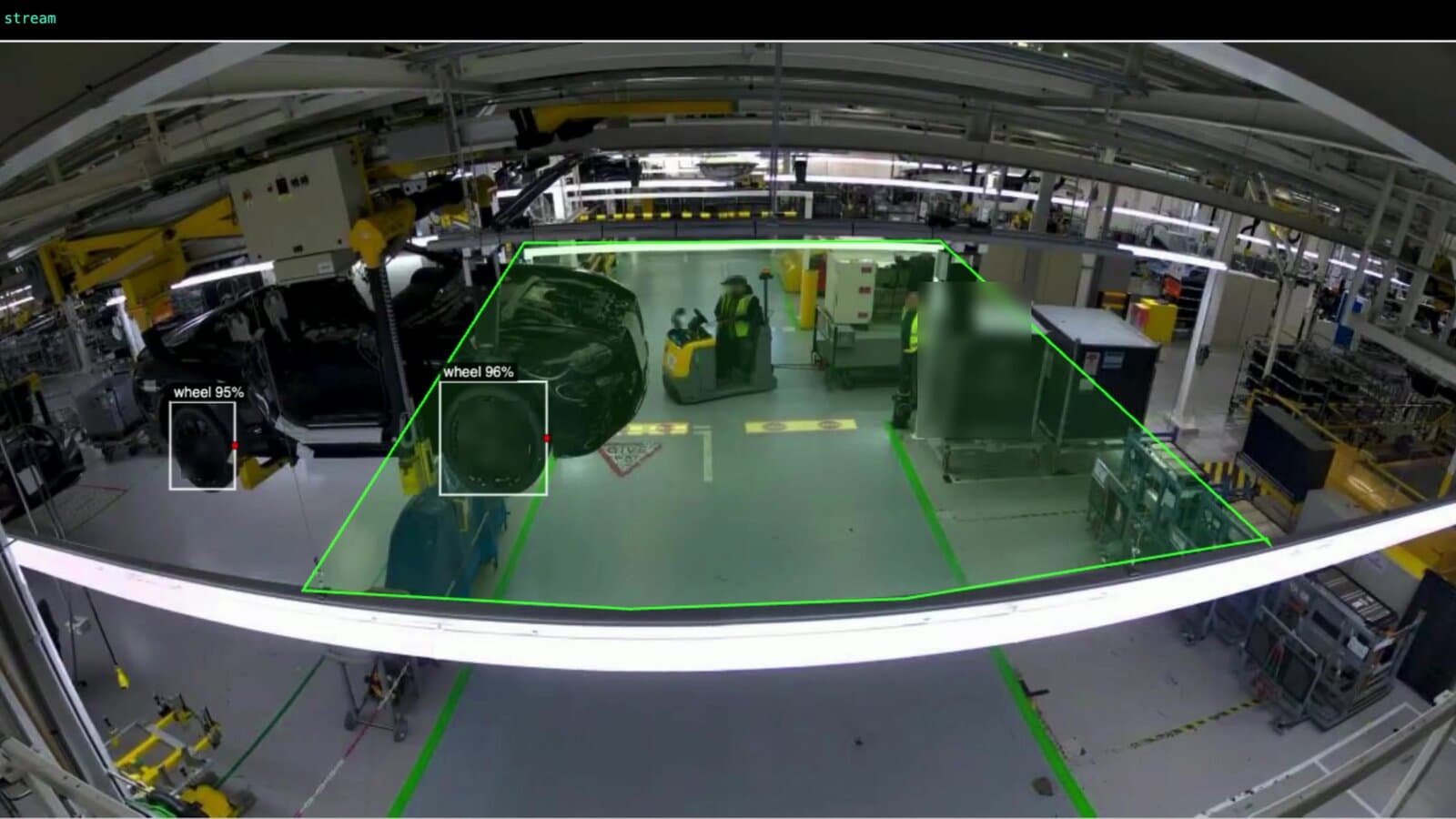
- ✓Occupational monitoring: computer vision watching for PPE compliance, pedestrian and vehicle interaction, hazards like spills and leaks, and worker health signals such as fatigue or exposure.
For context, SAiFI sits squarely inside the fourth area, occupational monitoring. The HSE’s own example for that category is, almost verbatim, the SAiFI use case: monitoring worker and vehicle movements and providing warnings when a pedestrian and a vehicle are too close.1
The risks respondents flagged
The most interesting section of the report is not the use cases, it is the risks identified by people actually deploying these systems. The HSE groups them under human factors, health and safety, and technical risks.1
- •Over-dependence on AI safety systems reducing worker attention and weakening the wider safety culture.
- •Deskilling of the workforce where work is performed by AI, with operators gradually losing the underlying knowledge.
- •Warning fatigue: frequent system alerts causing operators to miss the alerts that actually matter.
- •Inaccurate safety assessments leading to inappropriate controls being put in place.
- •AI systems operating without human oversight in conditions outside their design envelope.
- •Bias in training data leading to unreliable safety decisions and missed hazards.
- •Data privacy risks from worker monitoring and incident data.
- •Decisions that are hard to explain, making failures hard to diagnose and prevent.
- •Systems failing in new situations the training data did not cover.
None of these is unique to AI. Warning fatigue and bypass behaviour pre-date any machine-learning system, but AI changes the scale and the speed at which they appear. They are, between them, an honest list of failure modes worth designing against.
The control measures respondents named
The same report records the controls those respondents are using to manage the risks above. The list is a useful checklist for any procurement conversation.1
- ✓Trials in controlled environments before live deployment.
- ✓Diverse, representative training datasets to reduce bias.
- ✓Verification of AI predictions through sampling.
- ✓Continual assessment of model performance after deployment.
- ✓Human review and approval for high-risk or safety-critical decisions.
- ✓Encrypted training and processed data.
- ✓AI used in the control layer in conjunction with parallel traditional safety systems.
- ✓Autonomous systems failing safe (stopping) in the event of an error.
- ✓Human-free zones for autonomous vehicle operation.
- ✓Induction, training and competency checks so the system is used as intended.
- ✓Regular system audits and maintenance.
Three of these in particular are worth holding any safety-AI vendor against: the system should be used in conjunction with traditional safety controls and not as a replacement for them, it should fail safe when it errs, and its performance should be measured continuously after deployment rather than declared at install and forgotten.
How SAiFI is designed against the same risk register
We do not get to mark our own homework against the HSE’s list, but it is worth being explicit about how SAiFI Edge Essential is built so the reader can judge.
- ✓Context-aware detection, not motion-based triggering, so warning fatigue from spurious activations is materially reduced.
- ✓Direct integration with the existing safety infrastructure, triggering deterministic actions where needed rather than running as a parallel monitoring system on a separate layer.
- ✓Offline-first operation: inference runs on the edge device on site, so detection and action continue even when network connectivity does not.
- ✓A defined detection-to-action latency budget (under 150 ms end-to-end) that is measured per deployment, not estimated.
- ✓Configurable zones, rules and schedules, so behaviour reflects the site’s real operating pattern rather than a generic profile.
- ✓Data minimisation in line with UK GDPR: imagery is processed locally; what is retained is the evidence needed for audit, not a continuous video stream.
- ✓Continuous model improvement through validated, consenting-customer training data, with new models released through a deliberate review process.
Download the HSE report
The full HSE research report is short, plain-English and worth reading end to end. It is Crown copyright, published under the Open Government Licence. The official HSE summary lives on the regulator’s site (linked in the sources below). We mirror the PDF here so it is one click away while you are on this page.
HSE: Understanding how AI is used in HSE regulated sectors
The Health and Safety Executive’s 2025 research mapping AI use cases, identified risks and control measures across the industries it regulates.
PDF · approx 1.1 MB · 10 pages
Where this sits in the wider regulatory picture
The HSE’s research is not legislation. It is a stocktake. But it sits on top of a legal framework that already requires employers to take all reasonably practicable steps to prevent harm, and that framework is increasingly interpreted to mean “use the technology that is available, demonstrably effective and proportionate.” Our earlier note on the HSE’s 2024/25 injury statistics, where non-fatal injuries rose to 680,000, sits behind the same logic.3
Active safety is not a compliance product. But the regulatory ground is moving toward a position where measurable, deterministic risk-reduction technology is part of what “reasonably practicable” means in practice.
Sources & references
- Understanding how AI is used in HSE regulated sectors (full report) · Health and Safety Executive, 2025Crown copyright, Open Government Licence v3.0. All figures on use cases, risks and control measures cited above are drawn from this report.
- HSE’s regulatory approach to Artificial Intelligence (AI) · Health and Safety Executive, NewsOfficial HSE news page summarising the regulator’s approach to AI and the research underpinning this report.
- The 680,000: what the HSE’s 2024/25 injury figures mean for industrial safety · Dynamic Safety, February 2026Our earlier note on the HSE’s annual injury statistics, providing context for why a regulator stocktake of AI use matters now.